


8 Common Misconceptions About Encrypted Radios Debunked
In a world where communication is key, the use of encrypted radios is often clouded by myths and misconceptions. From security concerns to their applications in everyday life, it’s time to set the record straight. This article will break down some of the most common misunderstandings about encrypted radios, helping you to better understand their importance and functionality.
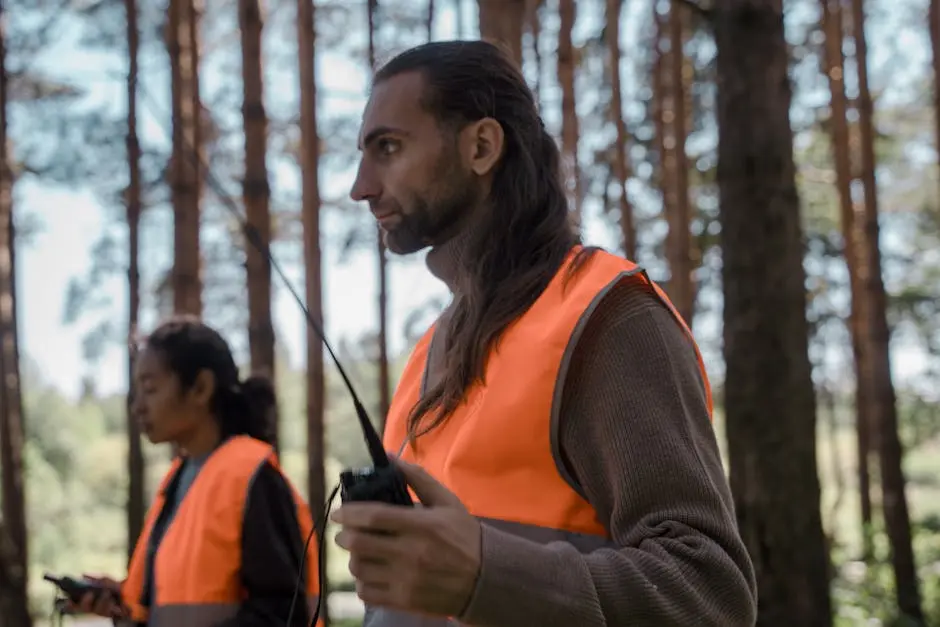
1. Encrypted Radios Are Only for Law Enforcement
Many people believe that encrypted radios are solely used by police and other law enforcement agencies. While they do play a crucial role in public safety, these radios are also used in various sectors including corporate communication, disaster management, and private security.
Consider this: organizations like hospitals and schools utilize encrypted radios for secure communication, ensuring that sensitive information is safeguarded during emergencies. The versatility of these devices allows them to fit into diverse environments, highlighting their importance beyond law enforcement.
From coordinating event staff to managing security at large venues, encrypted radios serve as essential tools for anyone looking to ensure clear, secure communication. Therefore, viewing them solely through the lens of law enforcement undervalues their widespread applicability.
2. Using Encrypted Radios is Complicated
There’s a common belief that encrypted radios require extensive training and technical know-how. However, most modern devices are designed with user-friendliness in mind, making them accessible even to those without a technical background.
Many manufacturers prioritize intuitive interfaces, which simplify operation. For instance, a user can typically set up a radio and start communicating effectively in a matter of minutes. This has made encrypted radios more available to organizations that may lack specialized training.
In addition, there are plenty of resources, including support manuals and videos, that guide users through basic functionalities. This means that the barrier to entry is much lower than many people presume.
3. They Are Too Expensive for the Average User
While it’s true that some high-end encrypted radios can be pricey, there are many affordable options available that still provide robust security features. The cost barrier is diminishing as technology advances.
Today, you can find entry-level models that offer reliable encryption at a fraction of the price compared to earlier generations. This increased accessibility has opened the door for small businesses and individual users to harness the power of secure communication.
Additionally, investing in an encrypted radio can lead to significant long-term savings, especially for organizations that prioritize data security. By safeguarding sensitive information, they reduce the likelihood of costly data breaches and enhance their overall operational efficiency.
4. Only Government Agencies Need Encryption
The misconception that only government agencies require encrypted communications overlooks the fact that businesses and organizations also need to protect sensitive information. Encrypted radios are crucial for any party concerned with privacy.
For example, companies that handle sensitive customer data, such as healthcare providers or financial institutions, must ensure their communications are secure to comply with strict regulatory standards. This reality emphasizes the necessity of encrypted radios across various sectors.
Ultimately, anyone dealing with confidential information must recognize the value of encryption. As such, it is essential that we move away from the stereotype that these devices are exclusively for governmental use.
5. Encrypted Radios Are Not Accessible in Emergencies
Some believe that encrypted radios cannot operate during emergencies. However, many systems are designed to ensure that critical communication remains accessible, even when standard networks fail.
In fact, encrypted radios often come equipped with features that prioritize emergency communications, ensuring that essential messages can still be transmitted when minutes matter most. This reliability is paramount for first responders and organizations involved in crisis management.
Moreover, advancements in technology have made it possible for encrypted radios to connect to various networks, further bolstering their accessibility in times of need.
6. They’re Just for Secure Conversations
The assumption that encrypted radios are only useful for secret conversations ignores their capabilities in broadcasting critical information clearly and securely when needed.
These devices can effectively transmit real-time updates to numerous individuals simultaneously, enhancing communication during emergencies or high-stakes environments. This ability makes them indispensable tools for organizations focused on cohesive coordination.
Furthermore, the clarity and reliability of encrypted transmissions can make all the difference when it matters most. Therefore, viewing encrypted radios solely as tools for secrecy misses the broader picture of their functionality.
7. All Encryption Is the Same
It’s a misconception that all forms of encryption offer the same level of security. In reality, different encryption standards and algorithms provide varying levels of security, with some being much more robust than others.
Take for example, AES (Advanced Encryption Standard) which is widely regarded as highly secure. In contrast, older standards like DES (Data Encryption Standard) may not offer the same level of protection today due to advances in technology and computational power.
Understanding the strength and weaknesses of different encryption methods can empower users in making informed choices when selecting encrypted radios or other communication devices.
8. Using Encrypted Radios is Illegal
Many people believe that using encrypted radios is against the law. While there are regulations governing their use in certain contexts, owning and using encrypted radios legally is perfectly acceptable for lawful purposes.
It’s important to recognize that with the correct licenses and adherence to legal guidelines, individuals and organizations can benefit from encrypted communication without fear of breaking any laws.
Being aware of the legal framework surrounding encrypted radios ensures that users can leverage their features responsibly, which ultimately paves the way for a larger acceptance of these essential communication tools.